Tsavo Trust
Description
Tsavo Trust is a field-based, Kenyan not-for-profit conservation organisation working to protect wildlife in the Tsavo Conservation Area.
It was founded in 2013 by Richard Moller and Nzioki Wa Makau to protect the region’s remaining Super Tusker elephants from poaching. Its flagship Big Tusker Project identifies and monitors these elephants, and it is the only body monitoring the Hirola antelope in the area. The trust also runs aerial and ground patrols, anti-poaching and security operations, in partnership with the Kenya Wildlife Service.
Beyond wildlife protection, Tsavo Trust is developing community-led conservancies outside the Taita-Taveta Ranches to bring development benefits and expand habitat for wildlife. It is also building the Tsavo Sanctuary, a rescue and rehabilitation centre for orphaned, injured and sick small mammals native to the area. The Tsavo Conservation Area it covers spans three national parks, Tsavo East, Tsavo West and Chyulu Hills, in southern Kenya.
Latest news
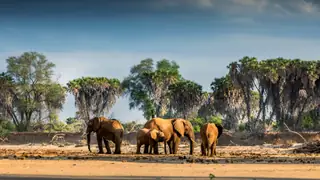
How AI is changing conservation
Conservation has always depended on information. Where are animals moving? How many remain? Where is poaching occurring? Which habitats are being lost? Are populations recovering or declining? Answering these questions allows conservationists to decide where limited resources can have the...
25 Sep 2026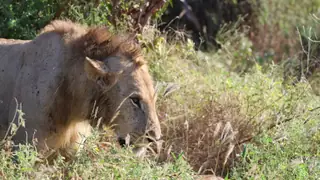
The wild cats of Tsavo: How Africa’s felines share one landscape
From lions capable of bringing down prey several times their own weight to small wildcats hunting rodents through the scrub, the Tsavo Conservation Area supports a remarkable diversity of felines. At least six wild cat species occur within the wider Tsavo ecosystem: lion, leopard, cheetah...
18 Sep 2026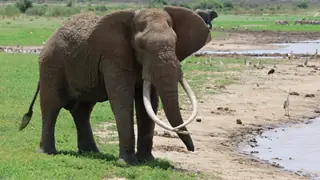
When we give wildlife water, what else do we change?
In dry African ecosystems, access to water can determine where animals move, feed and survive. During severe droughts, when seasonal rivers and pans disappear, permanent water sources can become particularly important for wildlife. Providing additional water can therefore appear to be a...
11 Sep 2026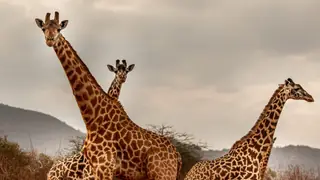
We have studied giraffes for 80 Years. So why do we still know so little about them?
Giraffes are among Africa’s most recognisable animals and have been the subject of scientific research for decades. Yet despite this familiarity, significant gaps remain in our understanding of their ecology, physiology, genetics and population dynamics. A recent review published in Mammalia...
4 Sep 2026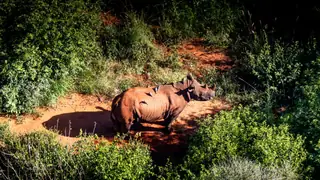
Should we move rhinos, or let rhinos move themselves?
Translocation has become one of the most important tools in black rhino conservation. Moving individual rhinos between protected areas can establish new populations, relieve pressure on crowded reserves and introduce genetic diversity into isolated populations. But physically moving rhinos is...
28 Aug 2026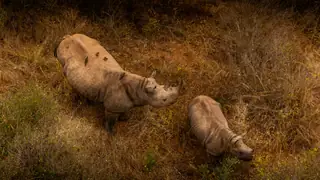
How do black rhinos survive in Tsavo? Inside the ecology of an African browser
A black rhinoceros can weigh well over a tonne, yet much of its diet consists of individual leaves, shoots, twigs and woody plants. In Tsavo, it must find enough of these resources in an environment where rainfall is highly seasonal and vegetation can change substantially between wet and dry...
21 Aug 2026
Similar organizations

The Forest Stewardship Council is an international non-profit organization that sets standards for responsible forest management and forest-product supply...

Arab Forum for Environment and Development is a regional, not-for-profit, membership-based organization working on environment and sustainable development...

Alyansa Tigil Mina, ATM, is a Philippine coalition that campaigns against large-scale mining and its effects on communities and the environment.