Predator Free New Zealand Trust
Description
The Predator Free New Zealand Trust is a charity that connects and supports community groups working to remove introduced predators from New Zealand.
It was established in 2013 to advocate for community-led conservation aimed at eradicating rats, stoats, possums and other introduced mammalian predators. Its work forms part of the wider Predator Free 2050 vision, which seeks a predator-free New Zealand by that year so native species can thrive. The Trust believes this goal requires collaboration between government agencies, non-governmental organisations, iwi and local communities.
The Trust supports more than 2,000 community groups around the country that carry out backyard trapping, habitat restoration and public education. It provides resources, training and guidance to help communities take effective action against predators. It also maintains a national map showing predator control activity throughout New Zealand.
The Trust has collaborated with Predator Free 2050 Ltd, a government-backed joint venture that researched new predator control technologies until it was disestablished in 2025. It operates only in New Zealand.
Latest news
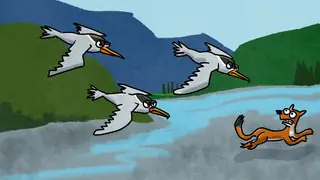
Terns mob stoat: can New Zealand’s birds learn to fight back?
A flock of endangered black-fronted terns recently took on a stoat, dive-bombing until it disappeared. It was a small victory, but the encounter raises a bigger question: can New Zealand’s native birds learn to recognise and defend themselves against predators they never evolved alongside? For...
21 Sep 2026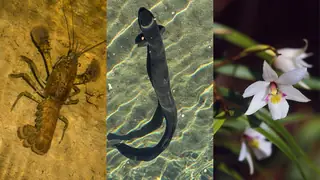
Crayfish, eels and orchids: the surprising diets of New Zealand’s predators
DNA analysis of predator stomachs shows that their appetites are surprisingly broad and include native mosses, orchids, plus freshwater critters such as crayfish, eels and fish. For many people, picturing a typical meal for a rat, stoat or ferret would likely conjure up a feast of birds, eggs...
14 Sep 2026
Introduced predators threaten Chatham Islanders’ way of life
Living 800 kilometres offshore brings some unique challenges. For one thing, controlling introduced predators isn’t only about protecting native species; it’s also about securing the community’s own food, water, and way of life. Out here, getting your 5+ a day isn’t as simple as nipping to the...
7 Sep 2026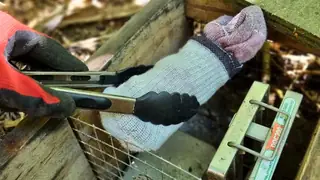
Old socks and kitchen tongs: 7 tools to elevate your trapping kit
Beyond gloves, lure, and a screwdriver, these tools will help you keep your traps rust-free, your gear easier to carry, and your lure safe. Trapper belt pouch Where do you stash your gear when you’re hitting the traps? Screwdriver in one pocket, bait in the backpack, DOC 200 safety clip...
31 Aug 2026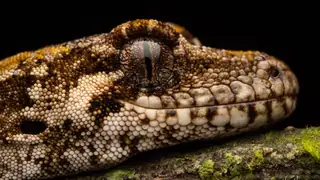
New Zealand’s lizards are disappearing: 97% of lizards need help
Of the 147 native gecko and skink species found across Aotearoa, 96.6 per cent are classified as Threatened, At Risk or Data Deficient. Behind that statistic are species hanging on in tiny pockets of habitat, some numbering only a few hundred individuals. With an estimated population of just 30...
24 Aug 2026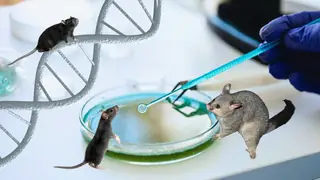
Gene technologies could reshape conservation – but not overnight
Are we any closer to cloning endangered species from stored tissues, gene editing to improve species’ resilience and using gene drives to suppress pest populations? A new Royal Society Te Apārangi resource outlines how gene technologies could transform conservation over the next ten years, but...
17 Aug 2026
Similar organizations

The National Audubon Society is a nonprofit conservation organization dedicated to protecting birds and the places they need.

The Marine Mammal Center advances ocean health through the rescue, rehabilitation and release of marine mammals, alongside research and education.

Forest Peoples Programme is a non-governmental organisation that supports the rights of people who live in and depend on forests.